Many people notice that the shape of their breasts changes over the course of their lives, often following pregnancy, breastfeeding, weight loss, or simply with age. These changes are entirely normal, and for many they are no cause for concern. For others, they are the reason they begin to explore a breast lift.
This article explains what a breast lift or mastopexy, actually involves: the difference between a lift and implants, who may be suitable, and what the surgery, risks and recovery genuinely entail. My aim is to provide clear, balanced information so that you can consider your options calmly and make a well-informed decision.
What is a breast lift?
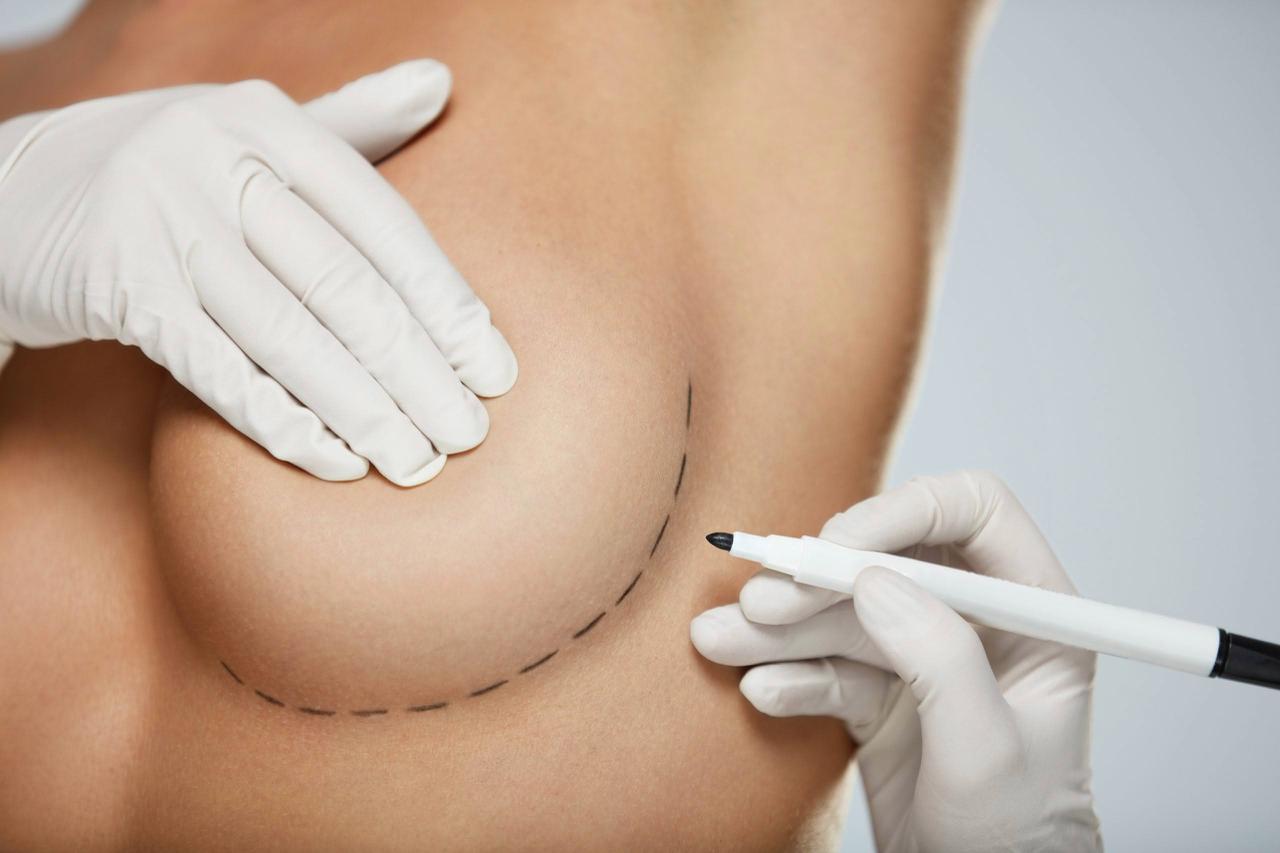
A breast lift, known medically as a mastopexy, is a surgical procedure that raises and reshapes the breast by removing excess skin and tightening the underlying tissue. During the same operation, the nipple and areola are usually repositioned slightly higher so that they sit in a more natural position on the breast.
It is one of the more frequently requested procedures I see, typically once the skin has stretched and the breast has settled lower on the chest than before. Importantly, a lift restores shape and position rather than dramatically altering the breast itself.
Does a breast lift make your breasts bigger? (Lift versus implants)
No. A breast lift changes the position and shape of the breasts, not their size. This is the single most common misunderstanding I encounter, so it is worth stating clearly.
A lift reshapes and elevates the breast tissue you already have. If additional fullness or volume is the goal, that is achieved through breast augmentation using implants, a separate procedure. If a smaller size is preferred, that is a breast reduction. In some cases, a lift and an implant are combined to achieve both improved position and greater fullness. On its own, however, a lift addresses shape and position, not size.
Who might consider a breast lift?
People consider a breast lift for a range of reasons. The most common include:
- After pregnancy and breastfeeding: when the breasts have changed in shape or lostfirmness.
- After significant weight loss: which can leave loose or excess skin.
- With natural ageing: as skin loses elasticity and the effects of gravity become more apparent.
There is no single or “correct” reason to consider surgery. It is a personal decision, and an essential part of my role is to ensure that anyone proceeding does so for their own reasons, with realistic expectations and a full understanding of what is involved.
Is a breast lift major surgery?
Yes. A breast lift is performed under general anaesthetic, involves surgical incisions, and requires a genuine recovery period. It is a well-established and routinely performed operation, but it is surgery nonetheless, and it should be approached with a clear understanding of what that entails. The procedure is often carried out as day surgery or with a short hospital stay and typically takes between one and a half and three hours depending on the technique required.
Will I have scars?
Yes. Because a breast lift necessarily involves removing and tightening skin, it results in permanent scars. The extent and pattern of scarring depend on how much lift is required; more significant reshaping generally means more extensive incisions.
Reassuringly, these scars typically fade considerably over the first twelve months, and a plastic surgeon will position and close them to achieve as discreet a result as possible. I always show patients precisely where their scars will lie before any decision is made, because the trade-off, improved shape in exchange for some scarring, is one that only the individual can weigh.
What are the risks of a breast lift?
As with any surgery, a breast lift carries risks and understanding them is as important as understanding the potential benefits. These may include changes in nipple or breast sensation (sometimes temporary, occasionally permanent), a degree of asymmetry, delayed wound healing, an effect on future breastfeeding, and the general risks associated with anaesthesia.
Most patients recover without complication. Nevertheless, these possibilities are real, and discussing them thoroughly is central to informed consent, which is precisely the purpose of a assessment and consultation.
How long do the results last?
A breast lift provides long-lasting results, but they are not permanent. The breasts continue to age, and factors such as further weight fluctuation or a subsequent pregnancy can alter the outcome over time.
For this reason, patients planning further pregnancies are generally advised to wait until they have completed their family, as pregnancy can reverse much of the benefit. Realistic expectations in this regard make a considerable difference to long-term satisfaction.
What does recovery involve?
Recovery from a breast lift is manageable for most people, though it does require some patience. In general, you can expect to:
- Rest and limit activity during the first week.
- Wear a supportive garment to manage swelling and support the new shape.
- Avoid heavy lifting and strenuous exercise for several weeks.
Swelling and bruising subside over the following weeks, while the final shape and the appearance of the scars continue to mature over several months. Because everyone heals differently, the guidance you receive will be tailored to your individual recovery.
How do I know if a breast lift is right for me?
The only reliable way to determine this is through a consultation, where your goals, medical history and full range of options can be assessed together. For some, the appropriate choice is a lift; for others, implants, a combination of both, or no surgery at all. Each of these can be the right decision. The objective is always a well-informed choice that you feel comfortable with, not a sale.
Frequently asked questions
Can a breast lift be combined with breast implants?
Yes. A breast lift and implants can be performed together in a single procedure, often called an augmentation-mastopexy, when the aim is to improve both the position and the fullness of the breasts.
How long does breast lift surgery take?
A breast lift is performed under general anaesthetic and usually takes between one and a half and three hours, depending on the degree of reshaping required. It is often carried out as day surgery or with a short hospital stay.
When can I return to work and exercise after a breast lift?
Most people return to light, non-physical work within one to two weeks. Strenuous activity and heavy lifting are generally avoided for several weeks, and your surgeon will advise on timing based on your recovery.
Will a breast lift affect breastfeeding?
A breast lift can affect the ability to breastfeed, although many people are still able to. If you are planning to have children in the future, it is important to discuss this at your consultation.
Is a breast lift painful?
Most patients describe discomfort rather than severe pain, which is well managed with prescribed pain relief. Recovery is generally more about resting and allowing the tissues to heal than about significant pain.
Does a breast lift leave permanent scars?
Yes. A breast lift results in permanent scars, though they usually fade substantially over the first year and are positioned as discreetly as possible.
Is a breast lift covered by public funding or insurance in New Zealand?
A breast lift is generally considered a cosmetic procedure and is not usually publicly funded. Any insurance cover depends on your individual policy, so it is best to check directly with your insurer.
How much does a breast lift cost?
The cost of a breast lift varies according to the individual procedure and what it involves. Specific costs are discussed during your consultation, once your needs have been assessed.
Considering a breast lift?
At Cutting Edge Plastic Surgery (CEPS) in Auckland, we provide calm, thorough and unhurried consultations for anyone considering a breast lift. You will receive straightforward answers, a clear account of both the benefits and the risks, and the time and space to decide what is right for you.