A lipoma is a soft, rubbery lump of fat under the skin. It moves easily, is usually painless, and rarely needs treatment. If it causes discomfort, it can be removed.
Lipoma - Lumps Under the Skin
What is Lipoma?
A lipoma in most cases is a noncancerous, slow growing lump made up of fat cells that forms just beneath the skin. These lumps typically feel soft, doughy, or rubbery, and you can often move them slightly under your fingers. They’re most common on the upper back, shoulders, arms, neck, torso and thighs
Lipomas typically affect men and women between the ages of 40 and 60. While the exact cause remains uncertain, family history, genetic changes and factors like obesity may increase the likelihood of developing one.
Symptoms: How to recognise a lipoma?
Most lipomas:
- Feel soft, movable, and sit just under the skin
- Are typically painless
- Grow slowly, usually staying quite small – around 1–5 cm (½–2 inches)
In some scenarios, symptoms may change:
- If a lipoma presses on a nerve or lies in a tight spot, it can cause discomfort or pain
- Lipomas may occur in deeper or internal areas – like the abdomen or near organs -where they can obstruct function or cause other symptoms, though this is rare
When to seek medical attention?
Lipomas are typically harmless and often need no action. However, you should see a healthcare professional if you notice:
- A rapidly growing lump
- Pain, firmness, or the lump is fixed rather than movable
- Changes in the lump’s shape or texture
- Associated symptoms like weight loss, fever, or persistent discomfort
These signs may suggest a different condition – such as liposarcoma, a rare cancerous fat tumour – which requires further evaluation. If you have a doubt, see your healthcare professional or contact us for a consultation.
Frequently asked questions
What is a lipoma?
A lipoma is a slow-growing, soft lump made up of fat cells. It forms just under the skin and feels rubbery or doughy to the touch. Lipomas are non-cancerous and generally don’t cause harm, but some people choose to have them removed for comfort or cosmetic reasons.
Are lipomas cancerous?
Lipomas are generally benign, which means they’re not cancer. They don’t spread to other parts of the body and rarely turn into anything serious. However, it’s always a good idea to have any new or changing lump checked by a specialist to be sure.
What does a lipoma feel like?
Most lipomas feel soft, mobile and sit just beneath the skin. You can usually move them around slightly with your fingers. They aren’t attached to muscle or bone and they don’t usually feel tender unless they’re pressing on a nearby nerve or structure.
Where do lipomas usually appear?
Lipomas can form almost anywhere on the body, but they’re most commonly found on the neck, shoulders, arms, upper back, thighs, or torso. Some people have just one, while others may develop several.
Do lipomas go away on their own?
No. Lipomas don’t go away without treatment. They usually stay the same size or grow slowly over time. If a lipoma isn’t causing any problems, it can be safely left alone and monitored.
When should I see a specialist about a lipoma?
You should seek a medical opinion if:
- The lump is growing quickly
- It becomes painful or firm
- It feels fixed in place (not moveable)
- It changes shape or colour
- It’s affecting your confidence or comfort
Even though most lipomas are harmless, it’s important to rule out other types of lumps that may need closer attention.
How are lipomas diagnosed?
A specialist Dr Adam can often diagnose a lipoma just by examining it during a consultation. If there’s any uncertainty, an ultrasound or sometimes a biopsy may be recommended to confirm that the lump is a benign lipoma.
Is lipoma removal always necessary?
Not always. Many lipomas don’t need any treatment. But if the lump is large, painful, growing, or causing discomfort – or if you’d simply prefer it gone – it can be safely removed.
What does the removal procedure involve?
Lipoma removal is usually a quick, minor surgery done under local anaesthetic. A small incision is made over the lump, and the fatty tissue is carefully removed. It’s typically a day procedure with a short recovery time.
Will I have a scar after lipoma surgery?
Yes, there will be a small scar where the incision was made. Dr Adam is an experienced surgeon and takes great care to minimise scarring and place incisions in discreet areas where possible. Over time, the scar usually fades significantly.
Can lipomas come back after removal?
A lipoma that’s been fully removed is unlikely to grow back in the same place. However, some people are prone to developing new lipomas elsewhere on the body, especially if there’s a genetic tendency.
Is it normal to have more than one lipoma?
Yes. Some people develop multiple lipomas over time. This is often due to genetics. A condition called familial multiple lipomatosis causes people to develop several lipomas, usually in adulthood.
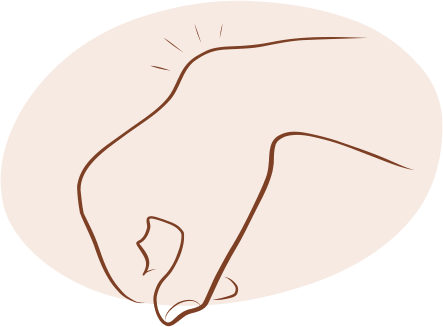
A lipoma is a soft, rubbery lump of fat under the skin. It the skin may move around easily over it and it is usually painless, and rarely needs treatment. But if it causes discomfort, it can be removed and if suddenly it grows rapidly, it probably should be removed.
Breast Augumentation
A breast lift can raise and reshape breasts, rejuvenating your contours and helping you look your best in and out of clothes. call today for an appointment.