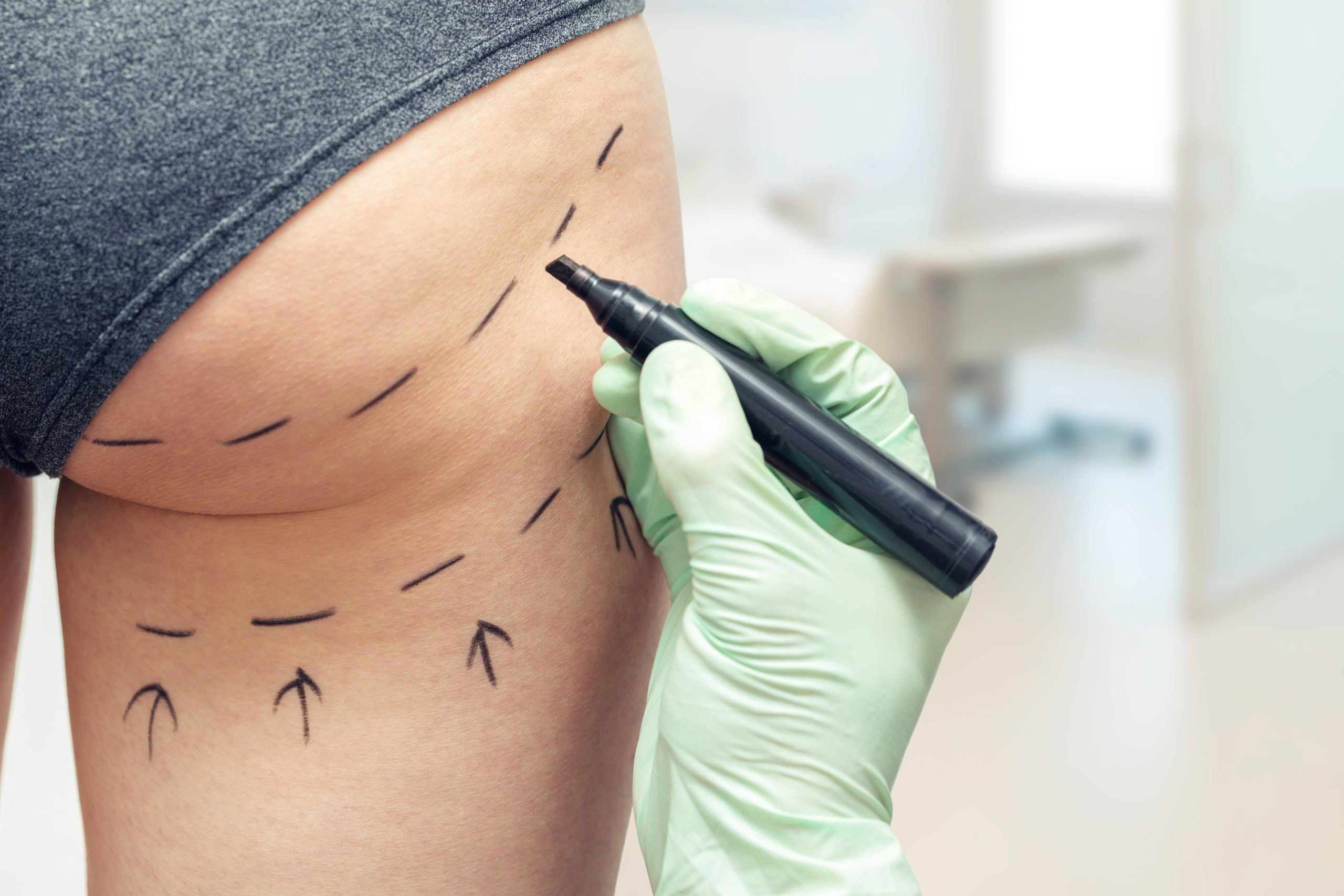
Thigh lift surgery removes excess skin from the inner or outer thighs to improve comfort and reduce skin-related problems. The procedure may involves an inner thigh lift. Incisions are planned carefully to balance effective skin removal with scar placement.
Brachioplasty addresses loose, heavy skin of the upper arms that commonly develops after weight loss or ageing.
Excess skin can cause rubbing, discomfort and difficulty with clothing. Surgery removes this excess skin and reshapes the arm for improved comfort and function. Liposuction alone is not sufficient when skin elasticity is poor — brachioplasty is required to address loose skin.
While these procedures can improve body contour, many patients seek surgery primarily for functional reasons. Benefits may include:
● Reduced skin irritation and infections
● Improved comfort during walking and exercise
● Less friction and chafing
● Easier hygiene
● Improved clothing fit and mobility
What is arm lift surgery (brachioplasty)?
Arm lift surgery, also known as brachioplasty, removes excess skin and soft tissue from the upper arms. This is most commonly seen after weight loss or with age-related loss of skin elasticity.
Loose skin in this area can cause discomfort, rubbing and difficulty with clothing. Brachioplasty reshapes the upper arm to improve both function and contour.
Liposuction alone may be helpful when excess fat is the main issue, but it does not correct loose skin. Where skin elasticity is reduced, surgical removal is required.
What is thigh lift surgery?
Thigh lift surgery removes excess skin from the inner or outer thighs, improving comfort and reducing skin-related problems such as chafing and irritation.
This procedure is often considered after significant weight loss, where excess skin can interfere with walking, exercise and daily activities.
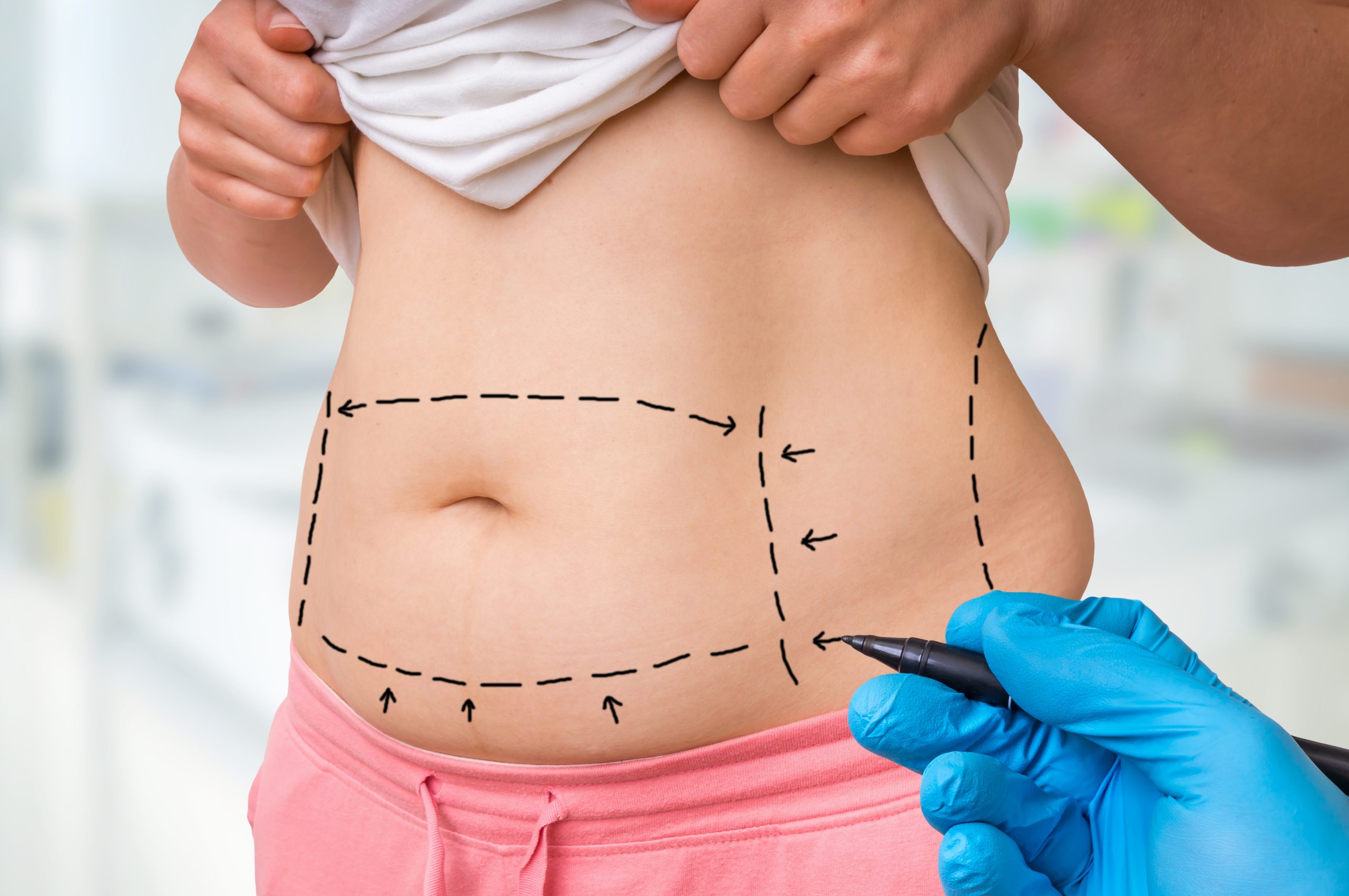
For patients with more widespread skin laxity, thigh lift surgery may form part of a broader body contouring plan that can include procedures such as abdominoplasty (tummy tuck) or other body contouring procedures.
Who is a good candidate?
You may be a candidate for arm lift or thigh lift surgery if you have:
- Excess or hanging skin on the upper arms or thighs
- Skin irritation, rashes or hygiene difficulties
- Discomfort with movement or exercise
- Stable body weight
- Realistic expectations about outcomes and scarring
These procedures are not weight-loss surgery. They are designed to address excess skin once weight has stabilised.
Benefits of arm and thigh lift surgery
- Reduced skin irritation and infections by removing skin folds that trap moisture
- Improved comfort during movement as the surgery can reduce friction and restriction
- Better clothing fit, improving self-confidence
- Easier personal hygiene by improving access to affected areas
- Improved body contour as the procedure aims to create a smoother and more balanced shape
The surgical procedure
Arm lift and thigh lift surgery involve removing excess skin and, where appropriate, underlying tissue. The extent of surgery depends on the amount of excess skin and the areas involved.
Procedures are tailored to each patient to ensure safe healing and balanced results. In some cases, surgery may be combined with other procedures as part of a staged approach to body contouring.
Recovery and aftercare
Recovery varies depending on the extent of surgery. Most patients experience swelling, bruising and tightness in the early stages
Compression garments are typically used to support healing. Activity is gradually increased over several weeks, with full recovery occurring over a longer period.
Follow-up care is an important part of the process and is coordinated through CEPS to ensure optimal healing and outcomes.
Scarring: what to expect
Arm lift surgery results in a scar along the inner arm, extending from the armpit toward the elbow. Thigh lift surgery results in scars placed along the inner thigh or groin crease, depending on the procedure.
Scars are permanent but are carefully planned to minimise visibility and typically fade over time. Detailed scar care advice is provided during recovery.