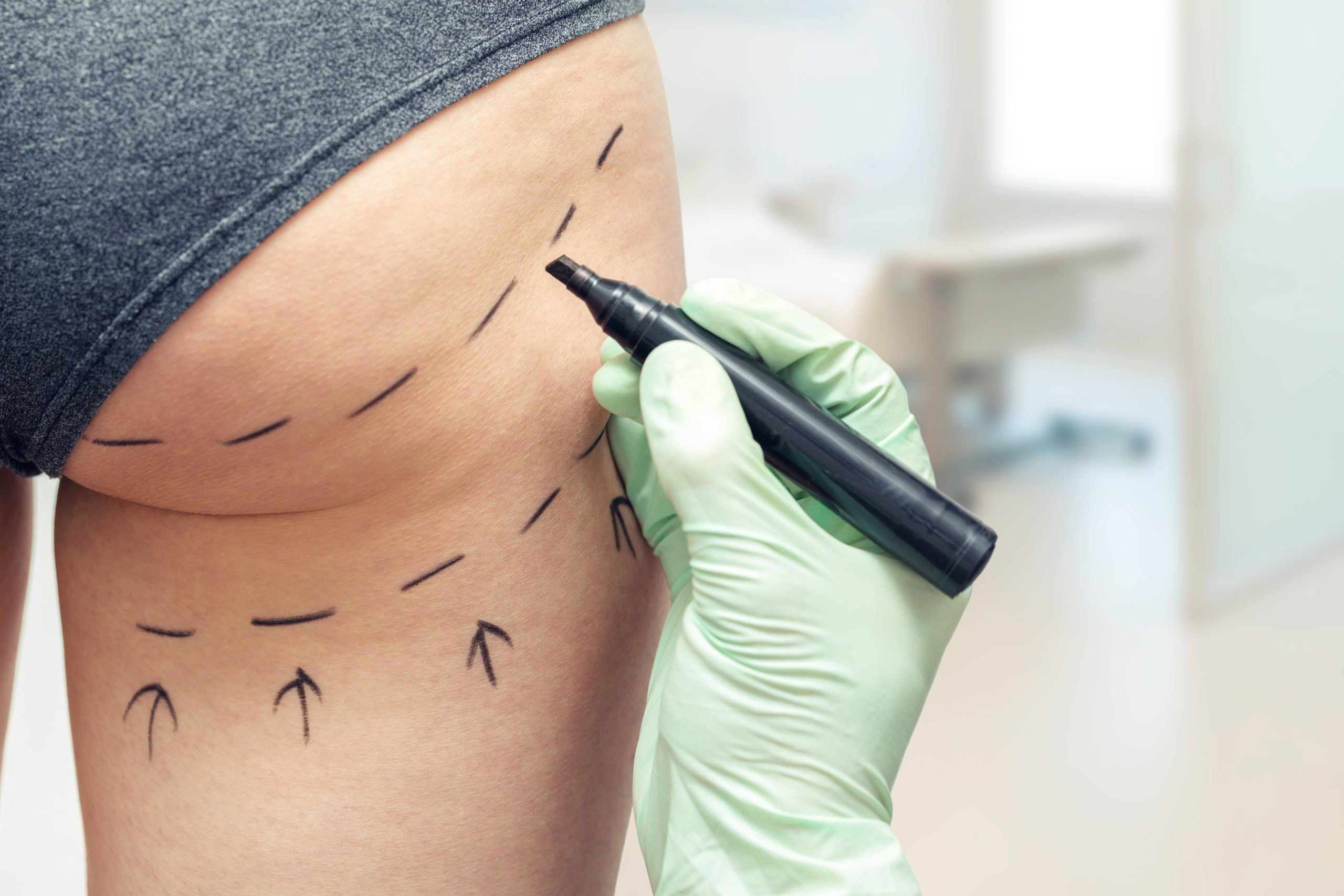
Abdominoplasty, or tummy tuck, is an operation that removes excess skin and redundant soft tissues from the abdomen, in combination usually, with tightening or repairing the abdominal muscles, especially in women who have been pregnant.
It creates a flatter, tighter and shapelier abdomen, and waistline. The scar that results typically extends from one hipbone to the other, but is placed low to be hidden, if possible, by underwear.
Where suitable, liposuction may also be performed at the same time to remove stubborn, localised fat deposits. It is not designed as a remedy for weight loss, but rather to maximise aesthetic results after weight loss to achieve and maintain a goal weight.
Why abdominoplasty may be needed?
Loose abdominal skin and muscle separation occur when the skin and connective tissues stretch beyond their ability to return to normal. This is common after pregnancy, major weight loss and natural ageing.
For many patients, excess abdominal skin causes discomfort, skin irritation, hygiene difficulties and limitations with movement or clothing. A tummy tuck directly addresses these structural issues and provides lasting improvement when non-surgical options are no longer effective.
At CEPS, abdominoplasty is performed with a focus on functional improvement, comfort and long-term support, as well as restoring a smoother abdominal contour.
Who is a candidate for abdominoplasty?
Abdominoplasty may be suitable for people who have:
- Excess or overhanging abdominal skin
- Separation of the abdominal muscles (diastasis recti)
- Persistent skin irritation or rashes
- Stable body weight
- Completed pregnancy
A tummy tuck is not a weight-loss procedure. It is designed to remove excess skin and restore abdominal structure once body weight has stabilised.
Functional benefits of a tummy tuck
While abdominoplasty improves abdominal contour, many patients seek surgery primarily for functional reasons, including:
- Improved core strength and abdominal support
- Reduced lower back discomfort
- Relief from skin irritation and hygiene problems
- Improved posture
- Easier movement and clothing fit
What does abdominoplasty involve?
Abdominoplasty involves removing excess skin from the lower abdomen and tightening the underlying abdominal muscles. The extent of surgery varies depending on the amount of excess skin and degree of muscle separation.
Your surgeon will tailor the approach to your anatomy and goals, ensuring a balanced and safe outcome.
Scarring after abdominoplasty
Abdominoplasty results in a permanent scar across the lower abdomen. This is positioned as low as possible and planned carefully so it can usually be concealed by underwear or swimwear.
Scars typically fade over time, and guidance on scar care is provided during recovery.
Recovery after tummy tuck surgery
Recovery after abdominoplasty varies depending on the extent of surgery. Most patients experience swelling and tightness in the early weeks and require a period of reduced activity.
Gradual return to normal movement is expected, with full healing and scar maturation occurring over several months.
Why choose CEPS for abdominoplasty?
Patients choose CEPS for tummy tuck surgery because we offer:
- Specialist plastic surgeon care
- Experience with post-pregnancy and post-weight-loss patients
- A focus on function as well as appearance
- Careful scar planning
- End-to-end care from consultation to follow-up
- Local specialist treatment in Pukekohe, Auckland